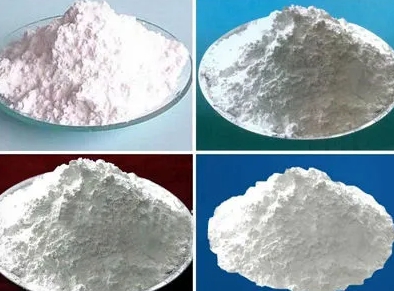
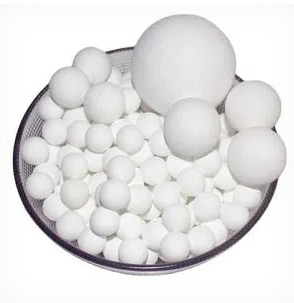
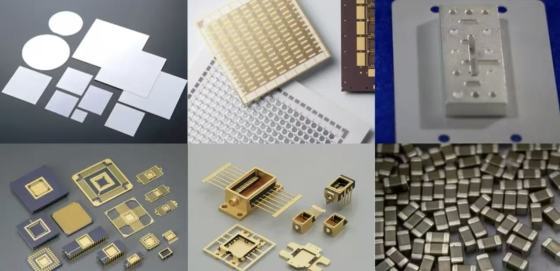
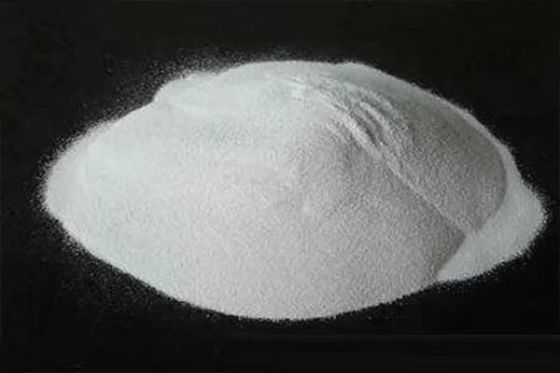
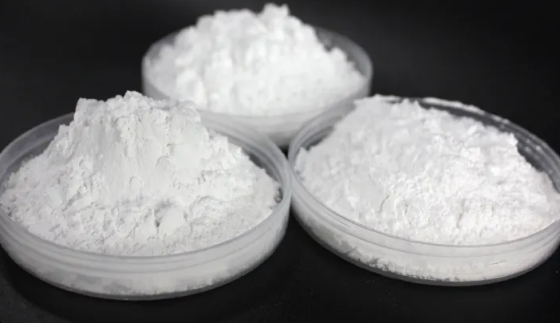
Precautions for high-purity low-temperature sintered alumina granulation powder series
Introduction
In modern industry, the high-purity low-temperature sintered alumina granulation powder series is favored due to its superior physical and chemical properties. However, there are some key considerations to keep in mind when using these materials to ensure their performance and safety.
Choose appropriate materials
Choosing the appropriate high-purity low-temperature sintered alumina granulation powder series is the first successful step. Different application scenarios require different types of powders. For example, in the ceramics and electronics industries, the purity and particle size distribution of powders are crucial. Be sure to choose according to specific needs to avoid quality issues caused by material mismatch.
Storage conditions
The storage conditions for high-purity low-temperature sintered alumina granulation powder series are equally important. It should be stored in a dry and well ventilated environment to prevent moisture and contamination. In addition, try to avoid direct sunlight to avoid affecting the properties of the material.
Operational Security
When handling high-purity low-temperature sintered alumina granulation powder series, it is necessary to wear appropriate personal protective equipment, such as masks, gloves, and goggles. This type of powder may cause discomfort when inhaled or in contact with the skin, so it must be handled with caution.
Mixing and Forming
Ensure that the equipment and tools used are clean and free of contamination during mixing and molding. Any impurities may affect the quality of the final product. At the same time, control the mixing time and speed, maintain the uniformity of the powder, and ensure the molding effect.
Temperature control during sintering process
The temperature control during the sintering process is the key to ensuring the performance of high-purity low-temperature sintered alumina granulation powder series. Excessively high or low temperatures can lead to product performance not meeting standards. Therefore, it is recommended to use high-precision temperature control equipment and calibrate it regularly.
Product testing and quality control
It is essential to conduct a comprehensive inspection of the final product after sintering is completed. This includes the assessment of physical and chemical properties to ensure that they meet predetermined standards. Meanwhile, through the quality control process, the occurrence of non-conforming products can be effectively reduced.
Conclusion
Although the use of high-purity low-temperature sintered alumina granulation powder series has great potential, if relevant precautions are not taken, it may lead to unnecessary losses. Therefore, following the above precautions can better leverage its advantages and enhance the competitiveness of the product.